If you’re looking to find out how to maintain the value of your car, then it’s a worthwhile effort to keep your car in tip-top shape from day one. This will help you avoid steep depreciation – which may not matter to you right now, but could really sting if you ever decide to sell.
Keeping an eye on these five key elements will not only keep you in an attractive and functional ride, you’ll maintain and even boost your vehicle’s value for many years to come.
How to Maintain the Value of Your Car in 5 Steps
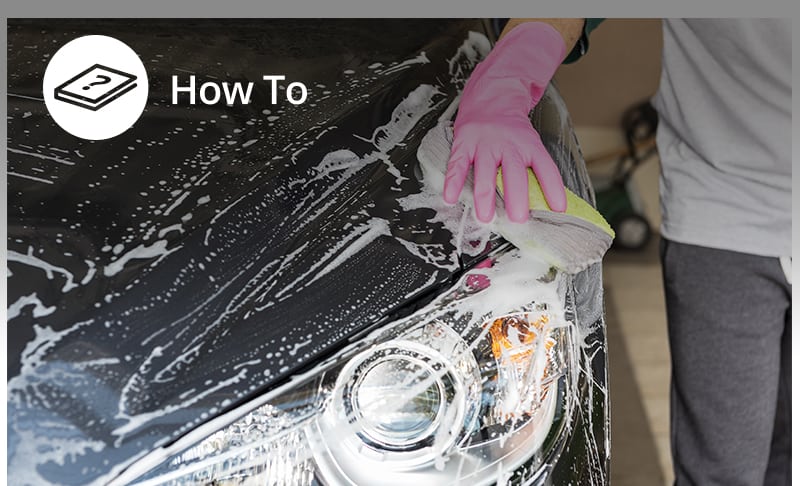
Step 1: Keep the Exterior Pristine
The outside of a car is what everyone sees first, and first impressions will really matter when you’re negotiating with potential buyers. The best way to beat signs of age, such as rust and chips? Prevent them from ever starting in the first place.
- Keep it squeaky clean. If your car has been the recipient of an overhead bird’s “gift”, don’t delay in washing it off right away. Droppings contain uric acid, which can actually eat away at your paint job’s protective finish. To avoid issues like this entirely, park your car indoors whenever possible.
- Be wary of winter rust. If you live in an area that uses salt on icy streets, your car might end up paying the ultimate price – salt can corrode your exterior, and also eat away at the undercarriage. Always make sure to wash your car after driving in snowy conditions, and choose the undercarriage wash option. You can also visit a collision centre to have a protective spray applied to the underside of your vehicle.
- Wax once in a while. A protective wax coating can go a long way to protecting the outside of your car from the elements. Aim to wax your car at least a couple of times a year.
Step 2: Protect the Interior
The inside of a car tends to get a “lived-in” look after a while. While some dust and clutter may not be the cause of serious damage, keeping your interior tidy will help it to stay fresher and more inviting in the long run.
- Never, ever smoke. If you’ve ever been inside a car once owned by long-term cigarette smokers, you know just how badly this can affect the interior. Aside from cosmetic issues such as yellowing, ash stains, and potential burn marks, the smell will linger – permanently. Without completely gutting and replacing all interior elements of the car, it’s virtually impossible to remove this offensive odour.
- Clean up on a regular basis. Make it part of your routine to take your car to be detailed at least every few months – you can also do this yourself, if you have a powerful vacuum and a few extra hours. If anything sticky or liquid is spilled, make sure you clean it immediately before it causes a permanent stain. When pets are along for the ride, protect upholstery from hair, mud, and scratches by putting down a towel, or keep your furry passenger in a carrier.
- Preserve your vinyl. Keep vinyl surfaces supple and prevent cracking and peeling by regularly using a product like Armor All.
Step 3: Don’t Gamble on Glass
Your windshield may fall victim to a superficial chip here and there – and this is no reason to panic. But it’s a good practice to get these fixed, instead of just ignoring them. Small chips can eventually grow into something much bigger, creating an actual safety hazard and requiring a full (and expensive!) replacement of your windshield. Most auto glass centres can easily fix a small chip before it grows into something more serious.
Step 4: Pay Attention to the Engine
The engine is, of course, the most important component of your car. While there’s nothing you can do to entirely avoid engine trouble throughout the life of your car, you can do a lot to prevent issues before they become serious, costly, or catastrophic.
- Get regular tune-ups. Think of your car like a person – even someone in good health should visit the doctor for the occasional checkup. Get your car to the mechanic for a tune-up at least every 50,000km, or once a year.
- Change the oil like clockwork. This is one of the easiest ways to keep your car running happily – clean, plentiful oil is the lifeblood to your engine. The general rule is to change your oil every 5,000km or 3 months – and most oil change centres will give you a handy sticker to remind you of your next due date.
- Never ignore strange signs or noises. Modern cars are pretty good at self-diagnosing when something is going on under the hood, but fancy computers shouldn’t replace your eyes, ears, and common sense. If your car is making a strange noise or otherwise behaving out of the ordinary, play it safe and get it checked out right away.
- Keep the receipts. Don’t forget to keep records from all your maintenance work – this will prove to a potential buyer just how well you’ve cared for your car.
Step 5: Baby Your Vehicle
Maintaining the look and functionality of your car is only part of the battle. The long-term quality of your car will also come down to how you drive it.
- Keep kilometres low. It goes without saying that a lower odometer number will mean a better resale value. You can help keep the kilometres down by avoiding joy rides, and getting a rental car for really long-haul road trips.
- Don’t overload your car. Hauling (or towing) excessive amounts of weight can take its toll on your engine. Try to avoid over-burdening your car whenever possible.
- Drive carefully. This one might sound obvious, but one look at any city’s streets will tell you that common sense isn’t necessarily common. Excessive speeds and sudden stops and starts can really wear on your engine over time. Driving carelessly also puts you at risk of fender benders or more serious collisions, both of which will definitely bring down the value of your car.
Follow these top tips on how to maintain the value of your car and you’ll save yourself plenty of hassle for the years to come!